Premium Organic Coffee

Organic coffee is not defined by a label alone, but by the way coffee is grown, cared for, and sustained over time.

organic coffee

You can also browse our full coffee beans collection to explore all origins and roast profiles.

Malabar Organic

$49.99

Organic coffee reflects a farming philosophy rooted in soil health, biodiversity, and long-term sustainability. For a broader understanding of coffee origins, processing methods, roasting, and global traditions, explore our complete coffee guide.


What Is Organic Coffee


Organic coffee refers to coffee produced through agricultural practices that avoid synthetic pesticides, chemical fertilizers, and genetically modified inputs. Rather than relying on chemical intervention, organic coffee farming is based on natural systems designed to preserve soil health, protect ecosystems, and maintain long-term agricultural balance.

Farming practices beyond chemicals

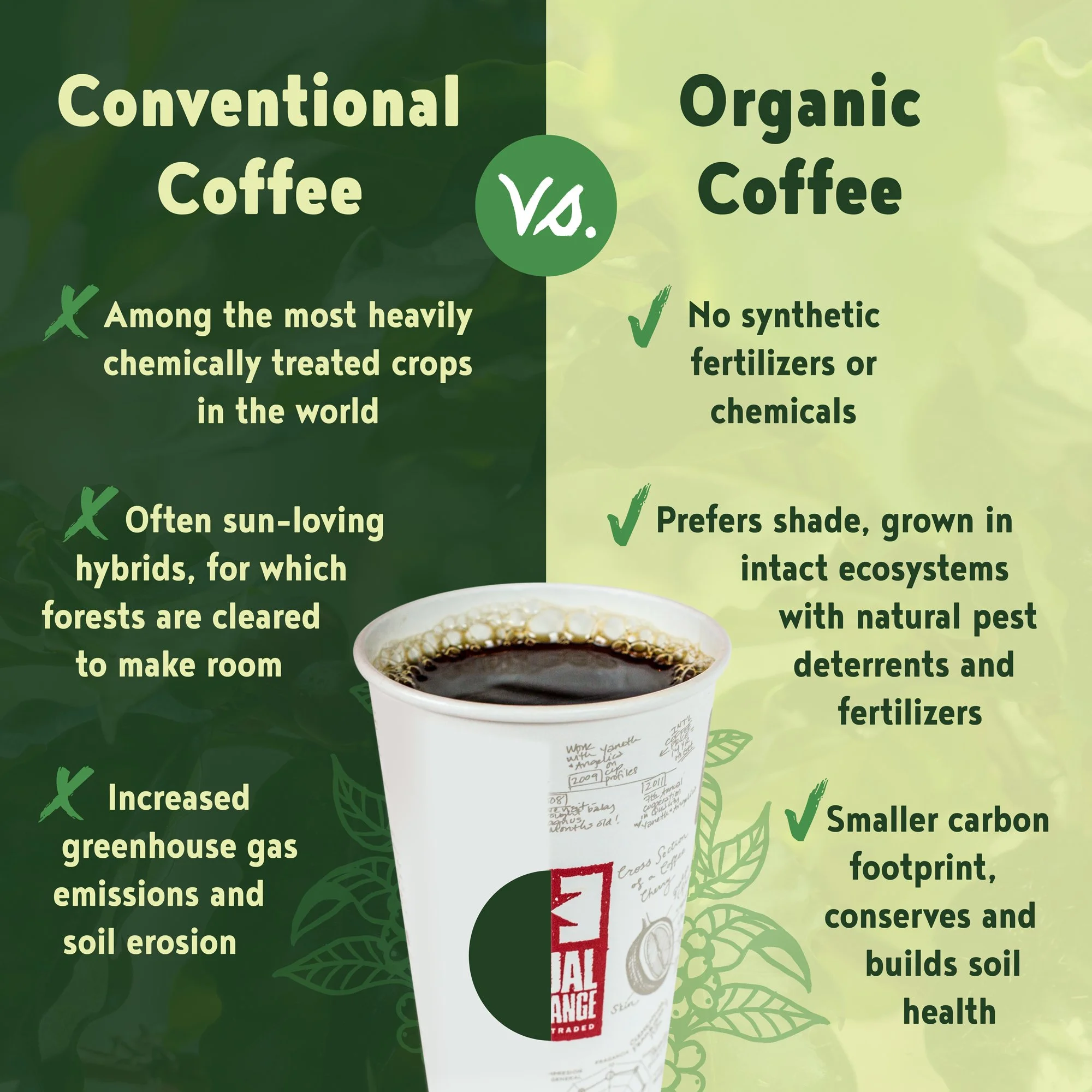
Organic coffee cultivation relies on methods such as composting, shade management, crop rotation, and biological pest control. These techniques work with natural cycles instead of attempting to dominate them through artificial inputs. While they often require more time and attention, they encourage stronger root systems and more resilient coffee plants that adapt naturally to their environment.

By avoiding synthetic chemicals, organic farming allows microorganisms and beneficial insects to remain active in the soil. This natural balance supports sustainable production over time, reducing dependency on external treatments and preserving the integrity of the growing environment.

Soil health and ecosystem balance

Soil sits at the core of organic coffee production. Living soils regulate water retention, supply nutrients gradually, and provide long-term stability for coffee plants. Organic systems focus on maintaining this balance through natural fertilization and biodiversity rather than quick chemical solutions.

Shade trees and surrounding vegetation play a critical role in this ecosystem. They protect coffee plants from erosion, moderate temperature extremes, and reduce disease pressure. In this context, organic coffee farms function as interconnected ecosystems rather than isolated agricultural units.

More than a label: a production philosophy

Organic coffee should not be understood as a simple label applied at the end of the supply chain. It reflects a production philosophy shaped by consistent agricultural decisions made season after season. Certification frameworks exist to verify compliance, but the true value of organic coffee lies in the long-term commitment behind these practices.

By prioritizing soil regeneration and responsible cultivation, organic coffee production aims to preserve both land and farming communities. The focus is not short-term yield, but sustainability over generations.

How Organic Coffee Is Grown

Organic coffee is shaped by decisions made long before the first cherry is picked. From soil preparation to plant management, every stage of cultivation reflects a commitment to ecological balance, resilience, and long-term sustainability rather than short-term intervention.

organic vs normal coffee

Natural soil management and fertilization


Healthy soil is the foundation of organic coffee production. Farms typically rely on compost, organic matter, and naturally derived fertilizers to nourish the land and feed soil microorganisms. These living systems release nutrients gradually, supporting steady plant development rather than forced growth. Over time, well-managed soils improve structure, increase water retention, and strengthen root systems—key advantages in regions where rainfall can be unpredictable.

Because organic methods prioritize regeneration, farmers often combine nutrient inputs with shade management and ground cover to reduce erosion and protect topsoil. The goal is to sustain productivity over years, not just a single harvest, while preserving the long-term health of the farm.

Pest and disease control through ecological balance

Without conventional pesticides, organic coffee farms rely on biodiversity and targeted interventions. Shade trees, companion plants, and surrounding vegetation help regulate insect populations naturally by supporting beneficial predators. Farmers also use preventive practices such as pruning, careful spacing, and sanitation to limit disease pressure and reduce conditions that allow pests to spread.

When problems arise, organic systems typically employ approved natural treatments or biological controls rather than broad chemical applications. The focus is on restoring balance instead of eliminating all insect activity, which helps protect the wider ecosystem and reduces long-term dependency on external inputs.

Harvesting and post-harvest practices aligned with organic standards

Harvesting is often done selectively, especially on quality-focused farms, to pick cherries at optimal ripeness. This improves consistency and reduces defects before processing begins. After harvest, organic standards emphasize clean handling and traceability, ensuring that beans remain separated from non-organic lots throughout processing, drying, storage, and export.

While processing methods can vary—washed, natural, or honey—organic production aims to keep post-harvest practices consistent with the same environmental principles used in cultivation. From field management to final drying, organic coffee is shaped by a chain of decisions designed to protect land integrity and support sustainable farming communities.